Engineering a smarter approach to knee support.
AceBrace is a wearable knee-support system developed around biomechanics, embedded electronics, real-time sensing, and digital data tracking.
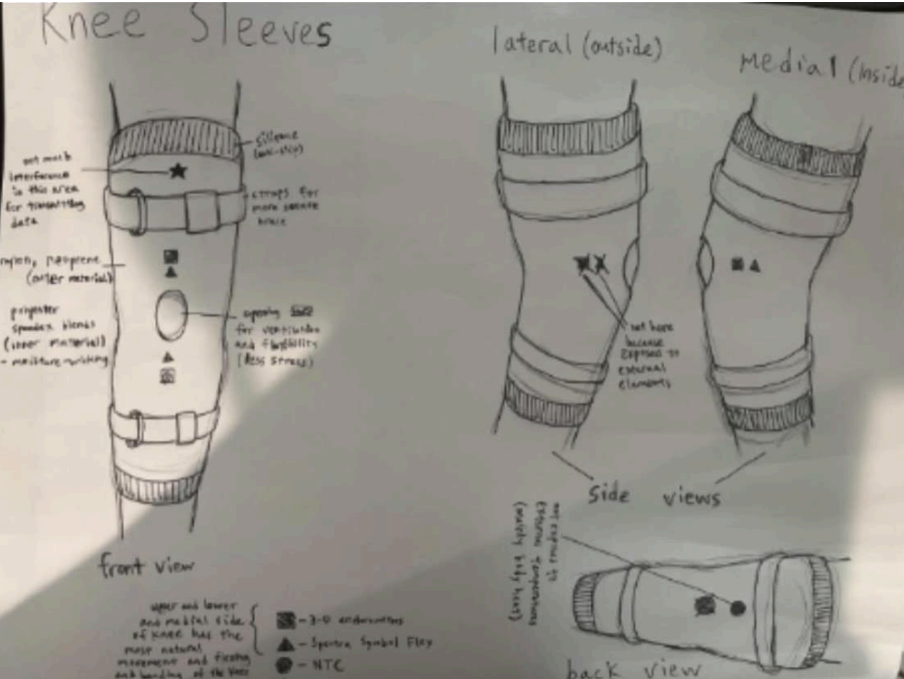
A knee brace can do more than provide support.
AceBrace began with a practical engineering question: how could a knee-support system provide information about movement and loading rather than functioning only as a passive brace?
Iterating from concept to physical prototype.
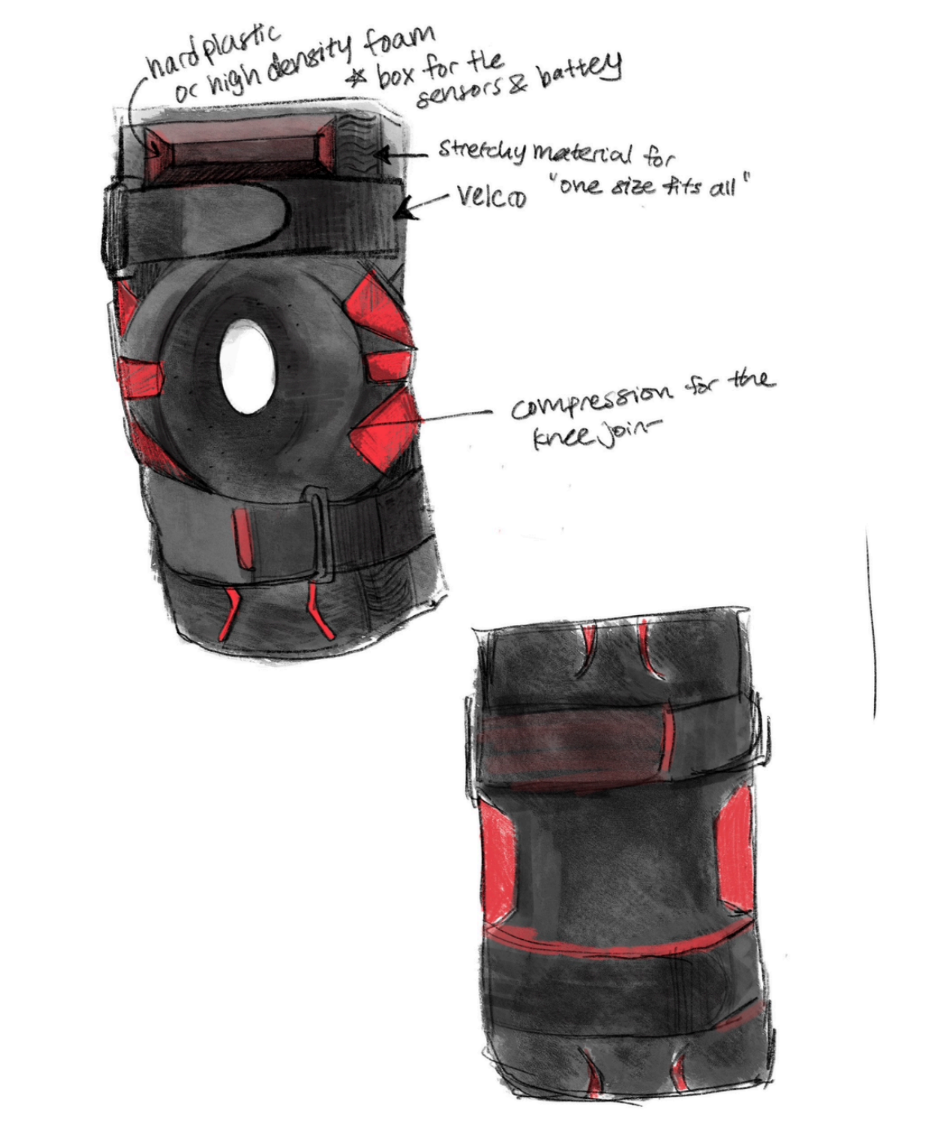
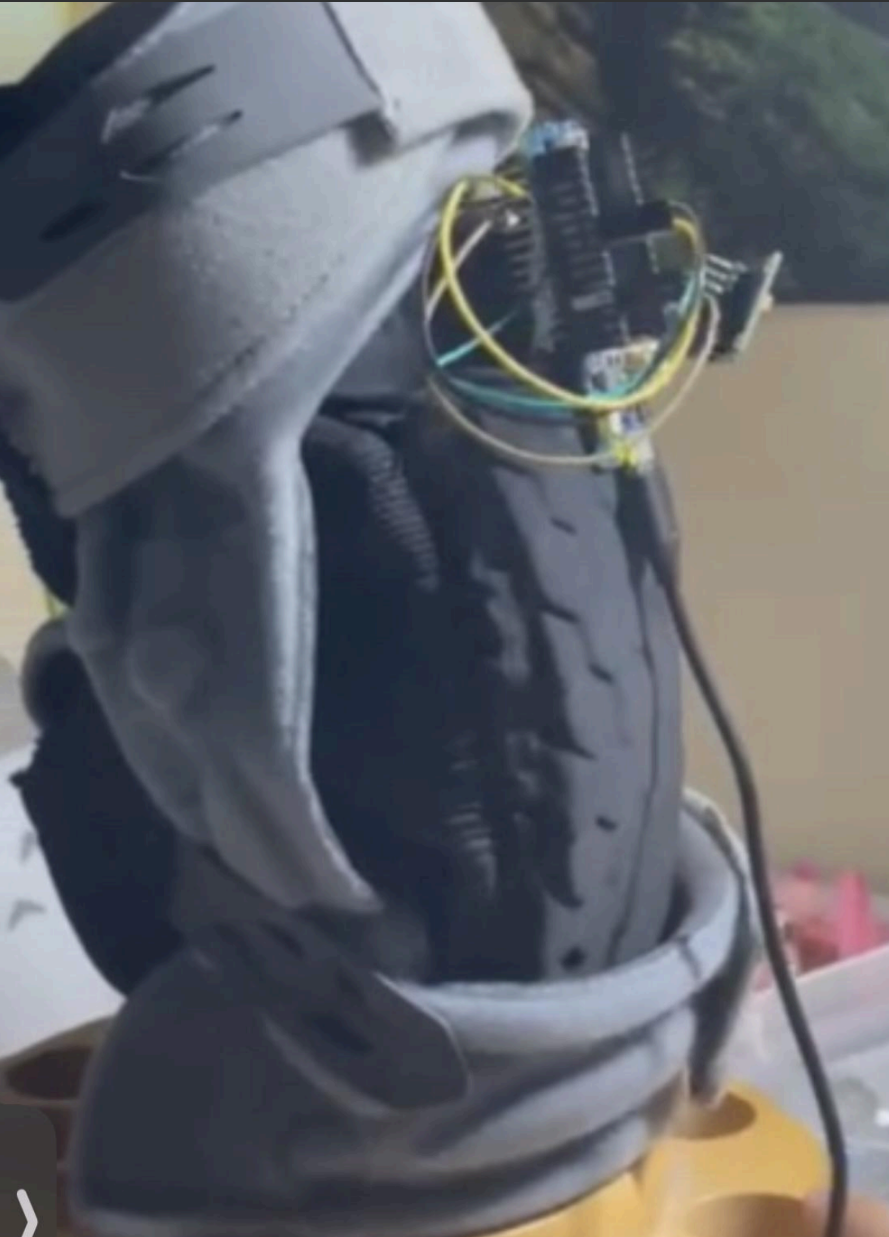
Multiple design iterations were developed to explore the physical architecture of the brace, component placement, and integration of sensing hardware.
Initial Architecture
Initial wearable architecture and component layout developed for the AceBrace concept.
Refined Design
A refined structural concept developed through iterative design and component placement.
From digital design to physical hardware.
Building the sensing hardware.
The project progressed beyond the physical brace into custom electronics and hardware integration. Components were assembled and soldered into the prototype sensing system.
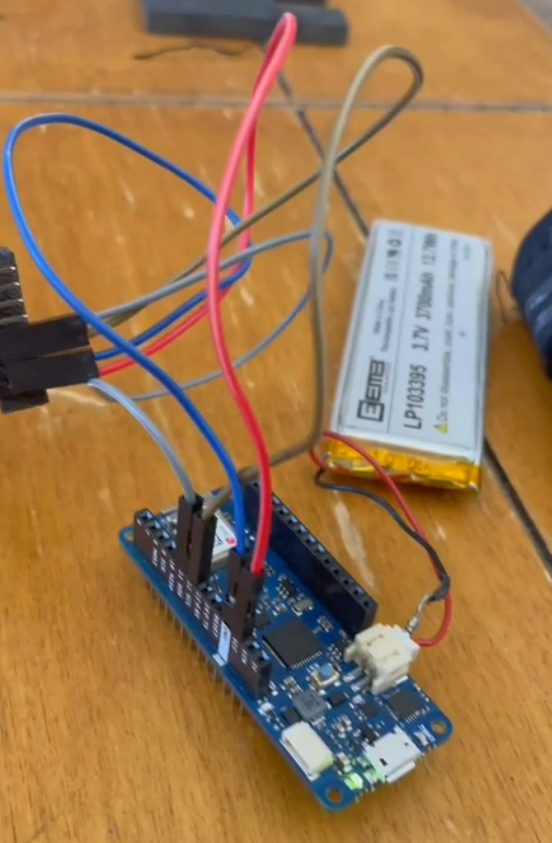
Custom electronics inside the prototype.
Custom circuit hardware and soldered electrical components used to support sensing and data collection.
Turning movement into usable data.
AceBrace connects physical movement with digital measurement, creating a pathway from wearable sensing to real-time visualization.
Real-Time Demonstration
Demonstration of the prototype's data collection system.
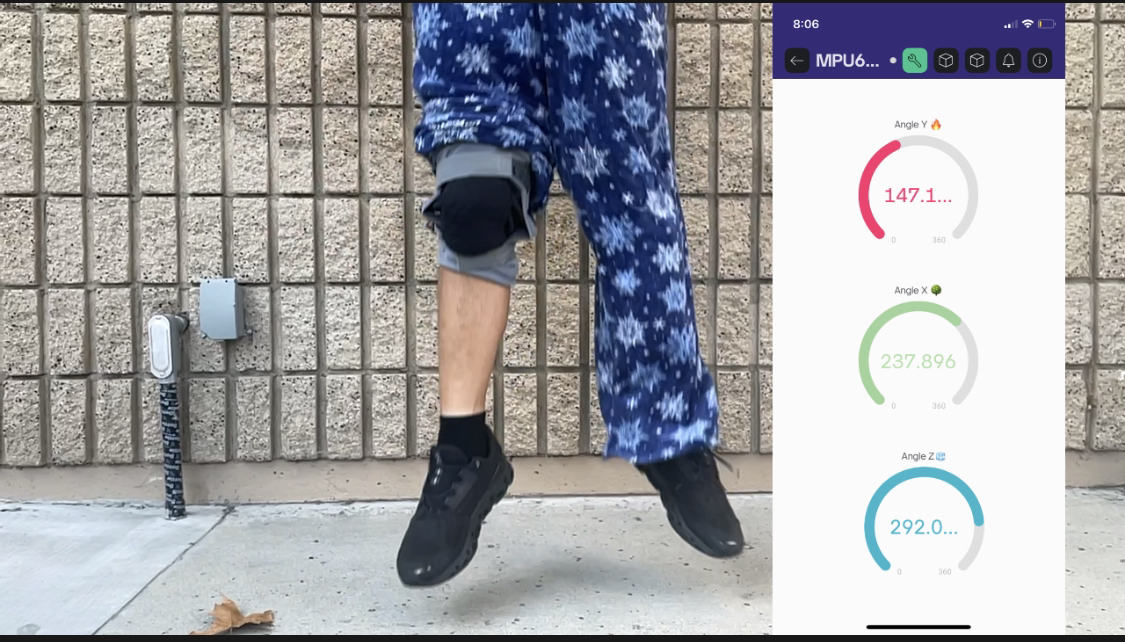
Custom Software Interface
Sensor information visualized through a custom software interface.
Hardware, software, and biomechanics in one system.
AceBrace required the project to move across several engineering disciplines rather than treating the brace as a standalone mechanical product.
From prototype to protected invention.
The engineering process ultimately moved beyond concept development and into formal intellectual property development.
ACEBRACE
A provisional patent submission documenting the invention and its underlying design and technical concepts.
VIEW USPTO SUBMISSION →Building toward commercialization.
Moving the project beyond the prototype.
I am currently working toward securing funding from
investors in Taiwan while exploring licensing and
commercialization opportunities with Billion's Century
Incorporated, an orthopedic brace manufacturer.
The next stage is connecting the engineering work with
manufacturing, investment, and real-world orthopedic
applications.