Why engineer IL-10?
Interleukin-10 (IL-10) is an immunoregulatory cytokine with therapeutic potential for inflammatory diseases including inflammatory bowel disease (IBD).
One challenge in developing protein therapeutics is balancing functional activity with physical stability. This project explored whether computational protein design could identify IL-10 variants predicted to have improved thermostability while preserving the structural features required for receptor binding.
From mutation design to structural evaluation.
I worked with a protein design team to combine multiple computational approaches for evaluating candidate IL-10 mutations.
Screening candidate mutations.
Computational protein design was used to narrow the search space before moving toward experimental construction. ThermoMPNN was used to evaluate candidate mutations based on predicted effects on protein stability.
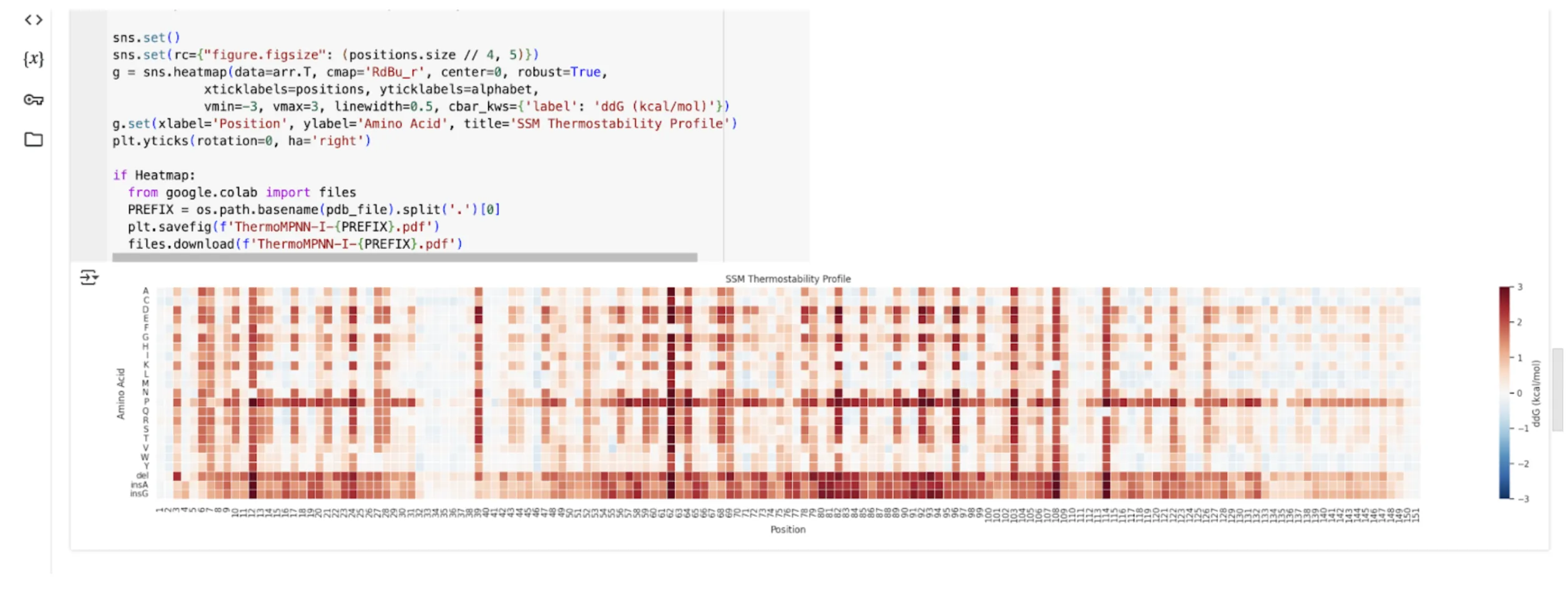
Stability prediction
Screened candidate mutations based on predicted effects on protein thermostability.
Sequence-level evaluation
Used protein language model-based analysis as an additional computational filter for candidate designs.
Structural evaluation
Structural modeling was used to examine selected variants and assess their predicted conformations.
Two computationally selected variants.
After computational screening, two IL-10 variants were selected for further evaluation. The variants were examined using structure prediction to assess whether the proposed mutations were compatible with the overall IL-10 fold.
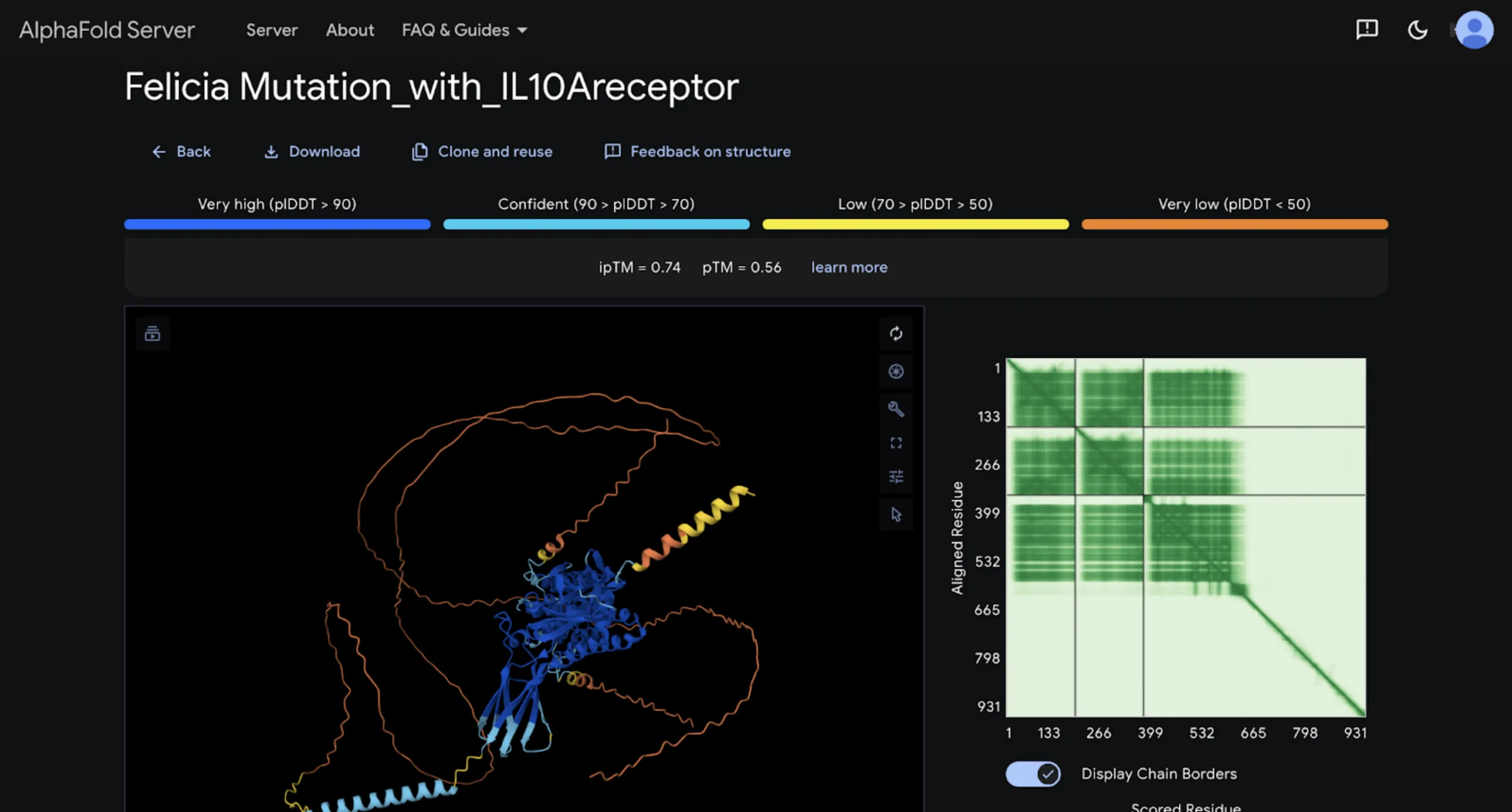
Mutation Variant 1
AlphaFold-based structural visualization of the first selected IL-10 mutation variant.
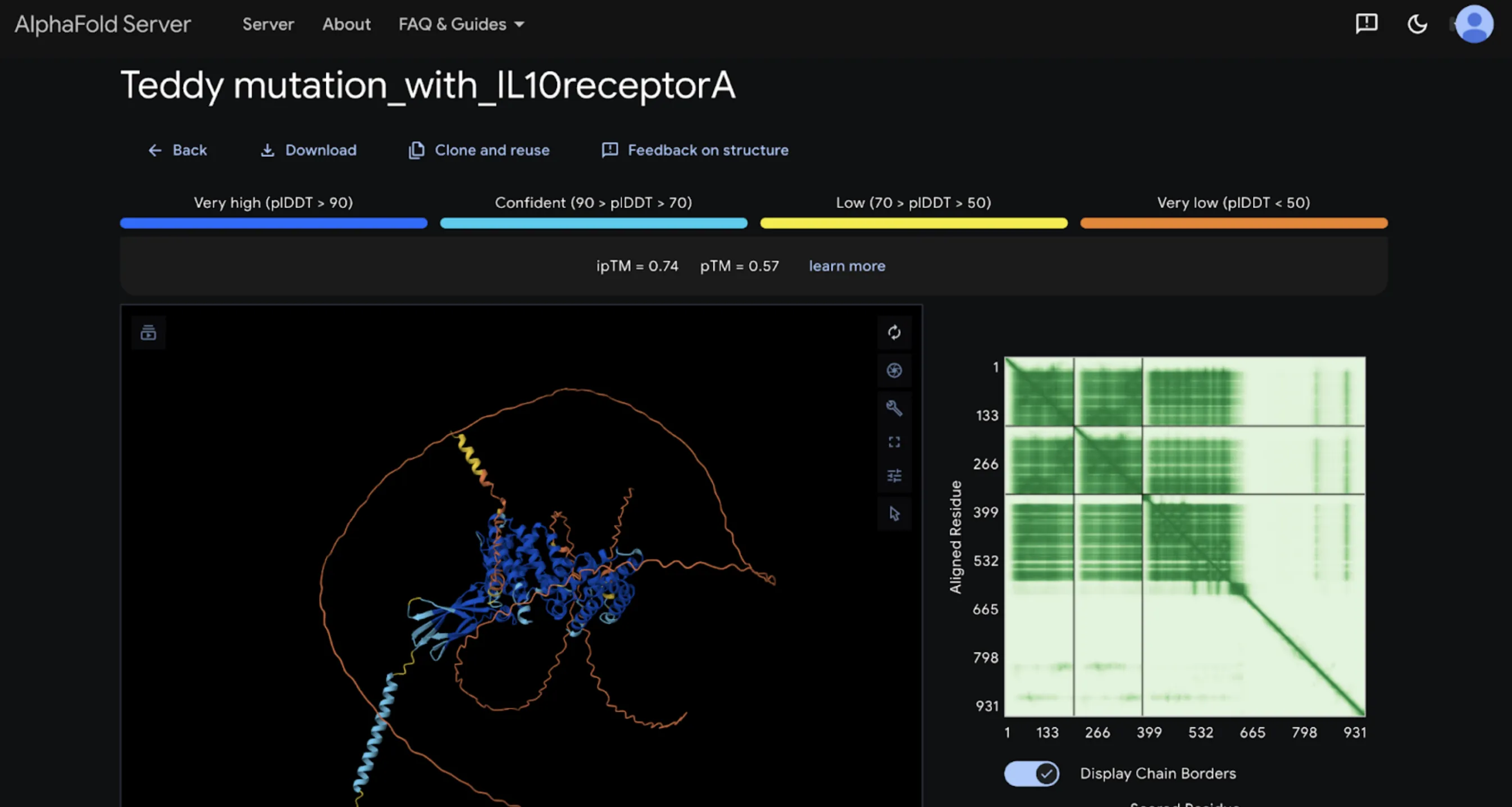
Mutation Variant 2
AlphaFold-based structural visualization of the second selected IL-10 mutation variant.
Iterating toward a production plasmid.
Computational design was followed by iterative plasmid design. The construct evolved through multiple design iterations before reaching a finalized production configuration.
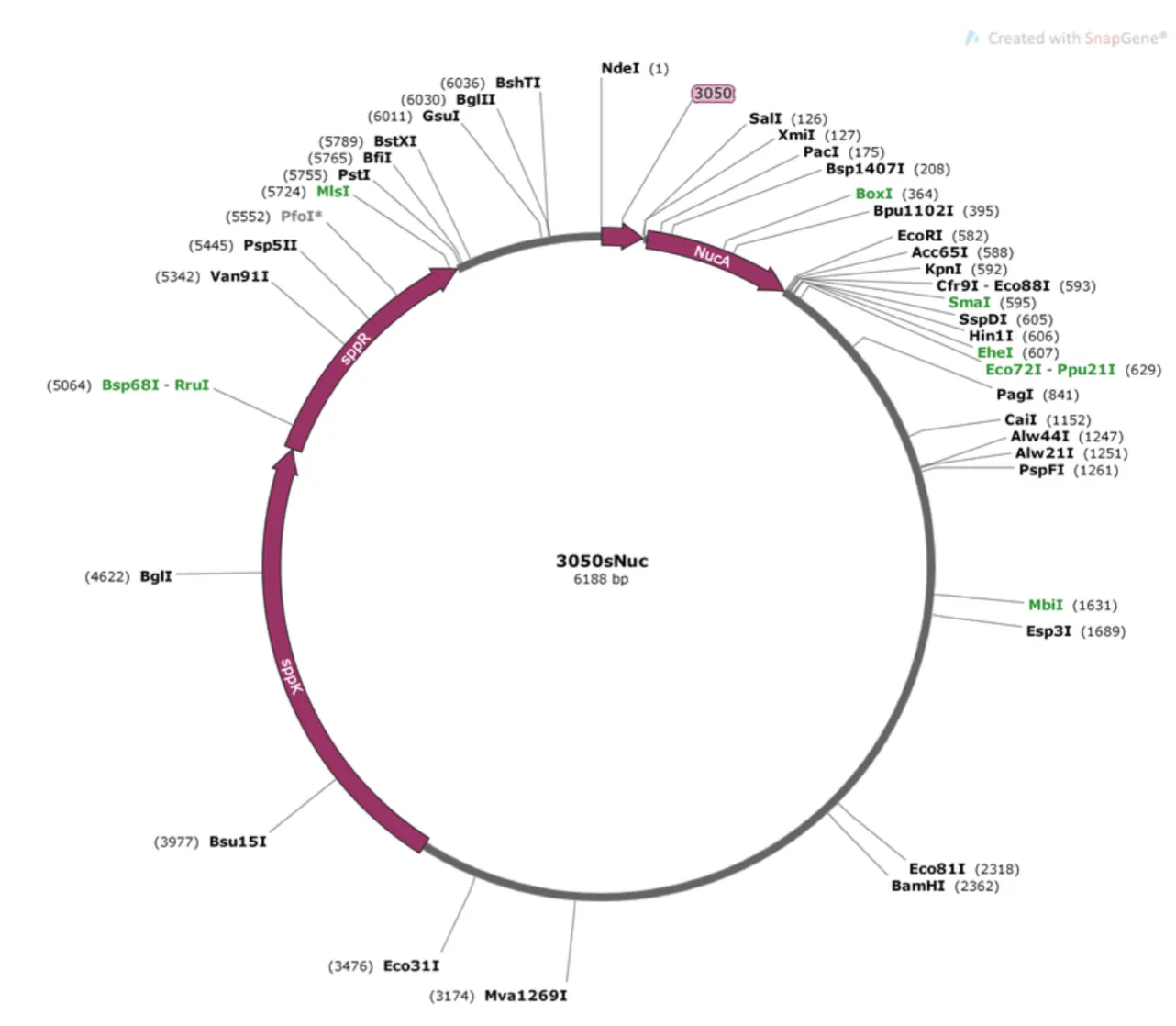
First plasmid design
Initial construct design developed for the experimental stage of the project.
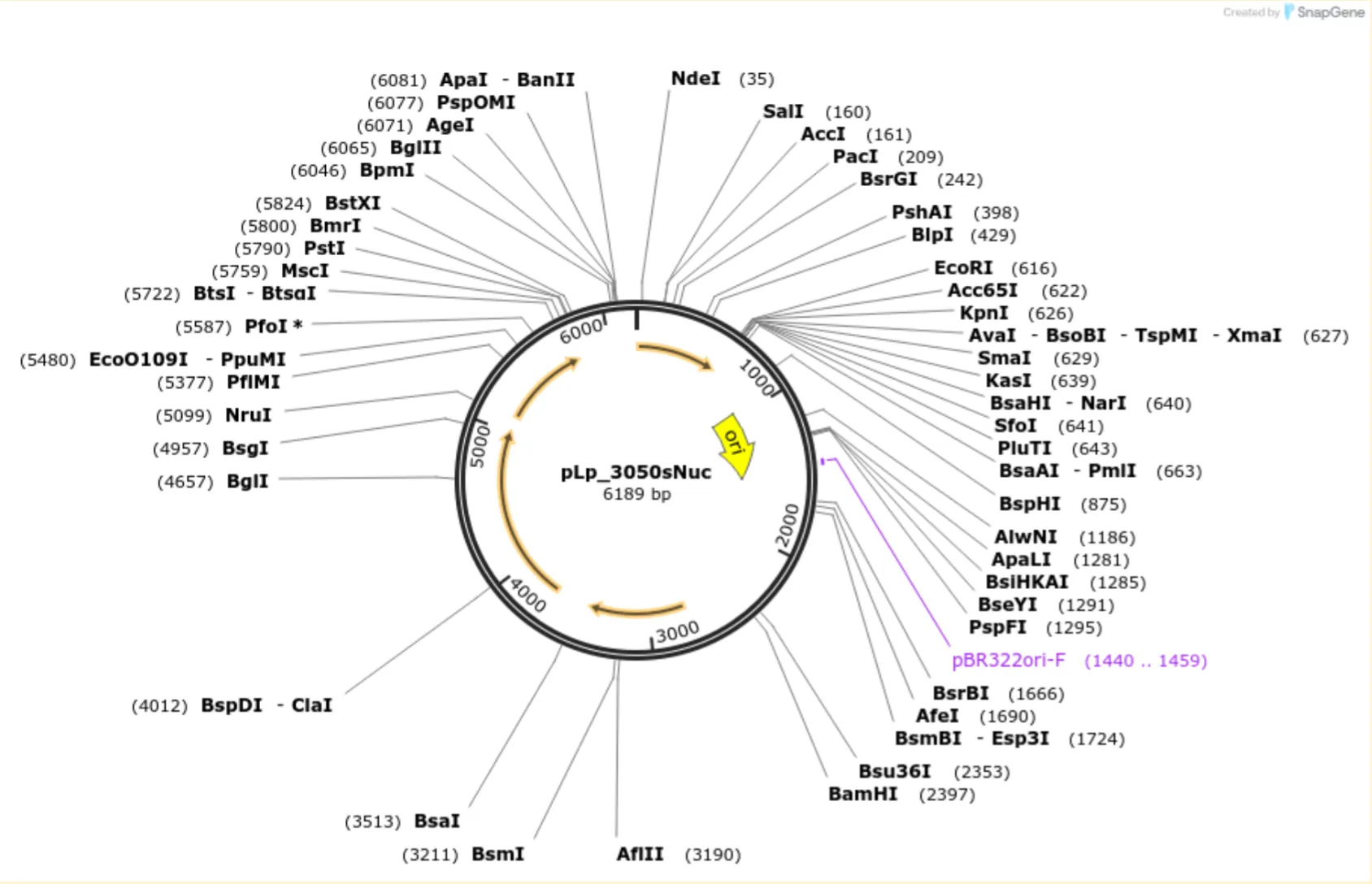
Second plasmid design
Revised construct following the first design iteration.

Production plasmid
Finalized construct prepared for downstream experimental production.
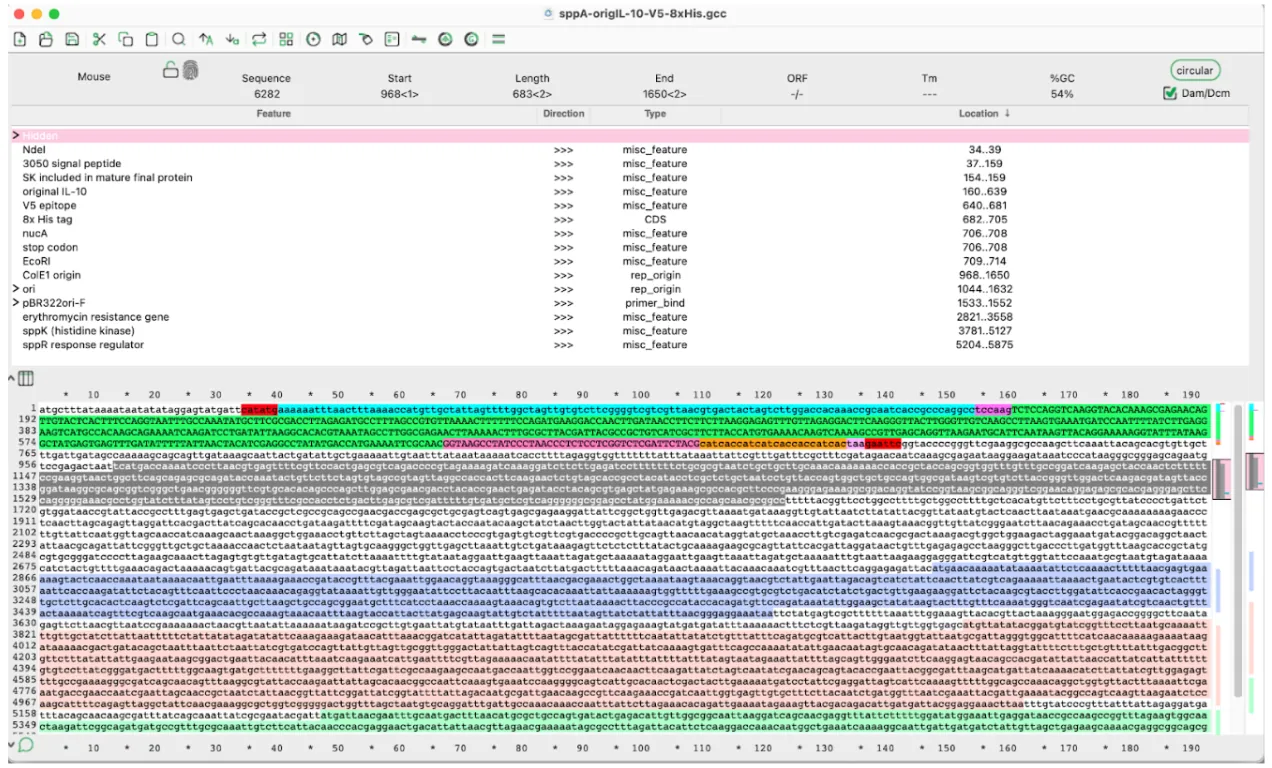
Visualizing the engineered construct.
ApE was used to visualize and inspect the plasmid architecture during the construct design process.
Protein design team leadership.
I led a 20+ member protein design team working on the IL-10 engineering project. My work involved coordinating computational protein design, evaluating candidate mutations, interpreting structural predictions, and helping connect computational results to downstream experimental design.
Project presentation.
The work was also presented through scientific poster communication, providing a broader overview of the project, engineering strategy, and results.
View BMES Poster →